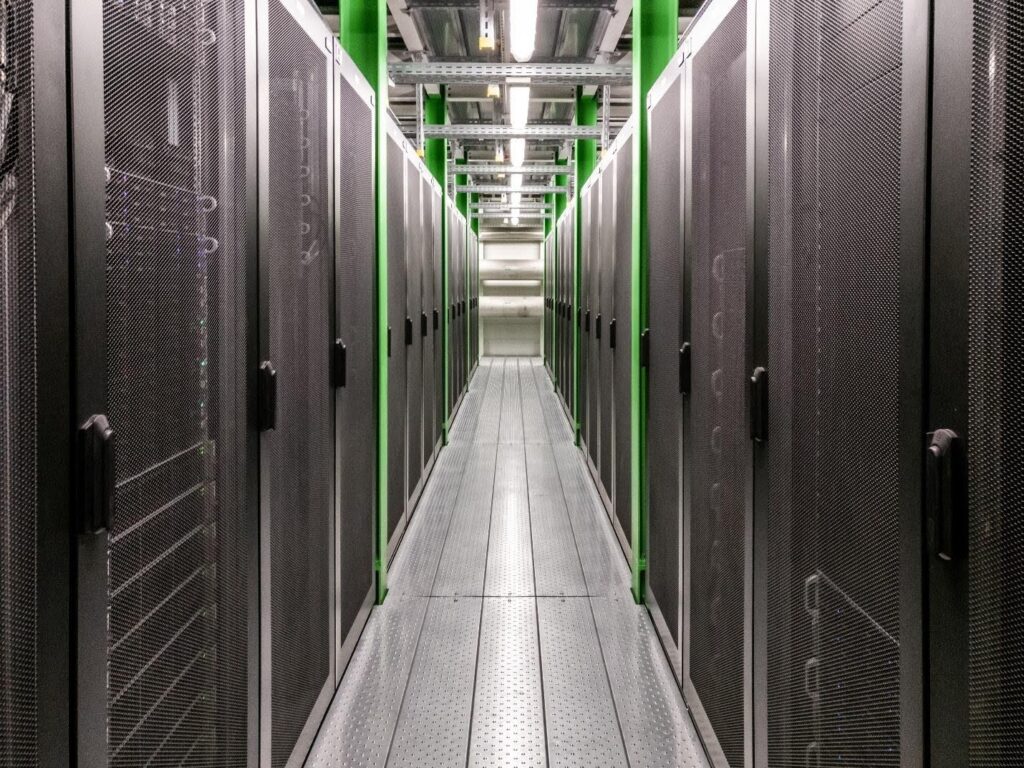
A mission-critical data center is a highly reliable, secured facility designed to house essential IT systems with near-zero downtime. Any outage to these IT systems can lead to major financial, operational, and safety consequences. These mission-critical services are more commonly used by organizations such as banks, hospitals, airlines, and government agencies.
However, mission-critical services are essential support functions that keep computer systems running 24 hours a day without any interruptions. Have you been struggling to understand what data center mission-critical services are? You are not alone. This data center beginner’s guide explains the concept and everything you need to know.
1. Mission Critical Data Centers
As the name implies, the data center mission critical service is a specialized facility that supports critical business applications, such as data processing, and focuses on uninterrupted data availability with zero downtime. These data centers are used in industries where uninterrupted operations are necessary, such as healthcare, finance, government, and technology sectors.
Downtime in mission-critical data centers can result in severe financial losses and security breaches for the organizations. However, these data centers are designed to maximize uptime and ensure data availability.
2. Core Functions and Objectives
Mission-critical data centers are built with distinct functions and goals, keeping in mind the need to protect and optimize essential operations. They ensure uninterrupted access to data for organizations and institutions that require seamless access for essential applications.
This is critical for businesses to maintain productivity and avoid any interruption that could harm customer relations and overall business operations. By minimizing the risk of downtime, these data centers enable companies to maintain continuous service, which protects their brand and customer trust.
3. Enabling Disaster Recovery
Disaster recovery is critical for companies to keep their data available to customers, and mission-critical data centers make this possible. These facilities are designed to safeguard data through redundancy, backups, and rapid recovery plans to ensure that the organization can bounce back from any incident without loss.
Furthermore, these data centers implement strict security measures and often comply with industry regulations such as HIPAA, SOC 2, or ISO 27001 to protect sensitive data.
4. Main Features of Mission-Critical Data Centers
Mission-critical data centers are designed to meet higher standards of resilience and security. Key features of these data centers include high availability, redundancy and resilience, scalability, physical security, and energy efficiency.
High availability limits downtime to just a few minutes, enabling organizations to operate continuously. To operate uninterrupted, these systems rely on redundant components such as backup generators, power supplies, and multi-path network connections, enabling the center to switch seamlessly to a backup without failing.
5. Future Needs
Mission-critical data centers are built with future growth in mind. As a business grows, so do its data-handling requirements. Therefore, these data centers are scalable and can accommodate additional equipment and capacity needs without compromising the quality of existing operations.
Mission-critical data centers safeguard both physical and digital assets through a robust security strategy. This may include 24/7 surveillance, biometric access control, and advanced firewalls to protect the environment from unauthorized access and cyber threats.